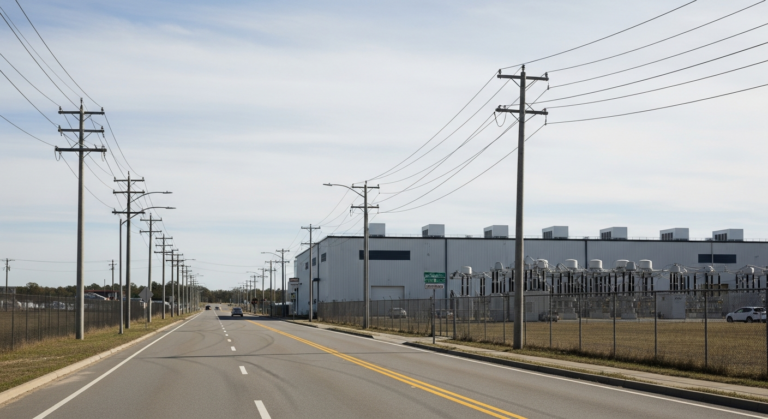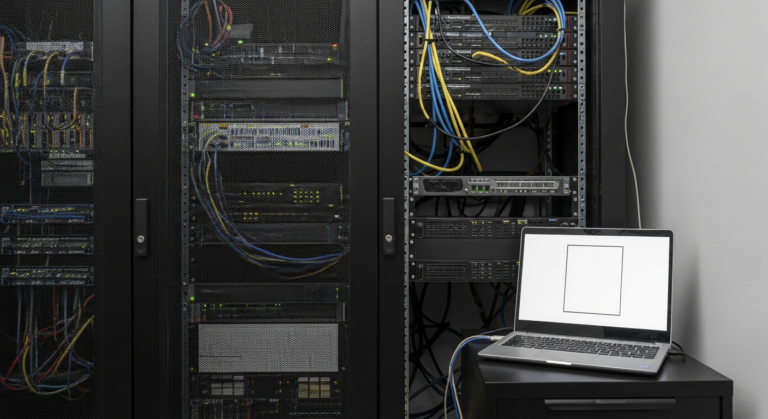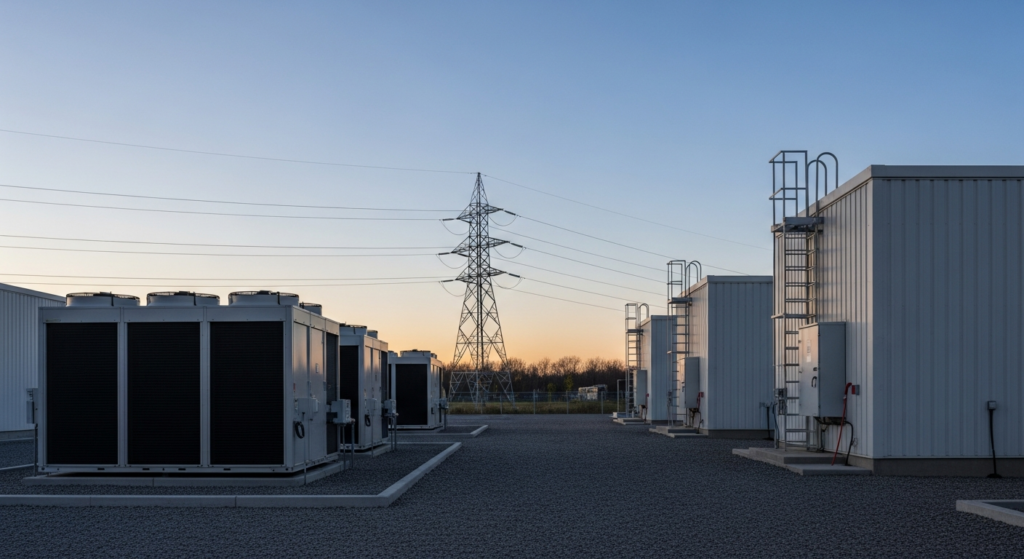
The rapid expansion of artificial intelligence infrastructure across the nation is creating an unprecedented demand for electrical power, fundamentally altering the landscape of technology development and energy planning. What was once primarily a race for faster chips and more efficient algorithms has now become a critical challenge of securing sufficient and reliable energy, a shift with potential implications for communities like Greenville.
Industry analysts and energy providers are increasingly pointing to power, rather than processing hardware, as the emerging bottleneck for AI data centers. These facilities, which house the vast computing power required for AI operations, consume enormous amounts of electricity for both computation and cooling. The scale of this consumption is straining existing electrical grids and demanding significant foresight in energy infrastructure development.
This escalating demand for power from AI data centers poses a tangible threat to grid reliability. Power companies and utilities are grappling with how to meet these new loads without compromising the stability of the electrical supply for residential, commercial, and industrial users. The planning cycles for new power generation and transmission infrastructure typically span years, often decades, making it difficult to rapidly adapt to the exponential growth in AI-related energy needs.
The implications of this national trend extend to Greenville, a city with a robust industrial base and a growing technology sector. Large employers in the area, such as BMW Manufacturing Co. and Michelin North America, rely on a stable and ample power supply for their extensive operations. Any broader strain on the regional grid could introduce complexities for these major economic drivers, potentially impacting production schedules or expansion plans.
Furthermore, the presence of energy sector entities like GE Vernova Gas Power in the Greenville area underscores the local connection to power generation and infrastructure. As the national conversation turns to grid resilience and capacity, local energy providers and stakeholders will be central to understanding and addressing these challenges within the Upstate region. The need for robust and dependable power is not merely a theoretical concern but a practical requirement for maintaining economic vitality and supporting technological advancement.
The shift in focus from chip manufacturing to power availability highlights a critical juncture for the tech industry and the utilities that support it. Ensuring that the electrical grid can handle the burgeoning requirements of AI data centers will necessitate significant investment in new generation capacity, grid modernization, and potentially, new energy storage solutions. These efforts will be crucial to prevent potential disruptions and to facilitate continued growth in the technology sector.
Why it matters in Greenville
The surging demand for electricity driven by AI infrastructure has direct relevance for Greenville’s economic future and daily operations. Companies like BMW Manufacturing Co. and Michelin North America, which are foundational to the local economy and major consumers of electricity, depend on a reliable power grid to maintain their extensive manufacturing processes. Any instability or capacity constraints in the regional power supply could introduce operational challenges for these employers, potentially affecting jobs and economic output. Moreover, the need for enhanced grid reliability and expanded power generation could influence local infrastructure planning and investment decisions, impacting everything from utility rates to the feasibility of attracting new tech-focused businesses to Greenville. The city’s ability to support future growth in a power-intensive technological landscape will hinge on proactive energy planning and infrastructure development.
Section: More Greenville SC business news
Greenville business profiles
Filed under: Greenville SC Business News