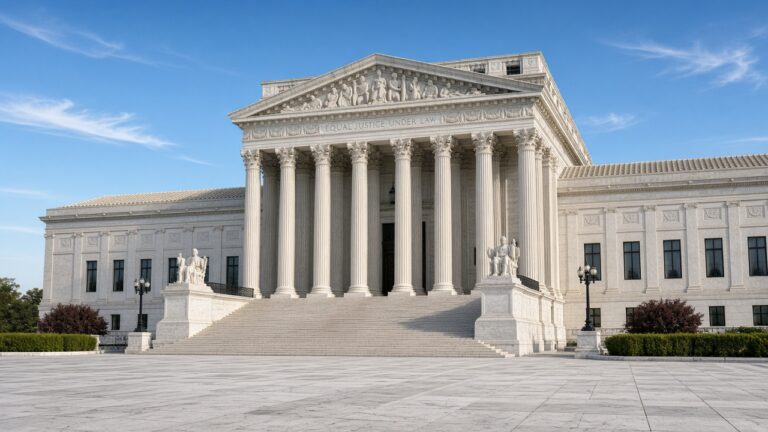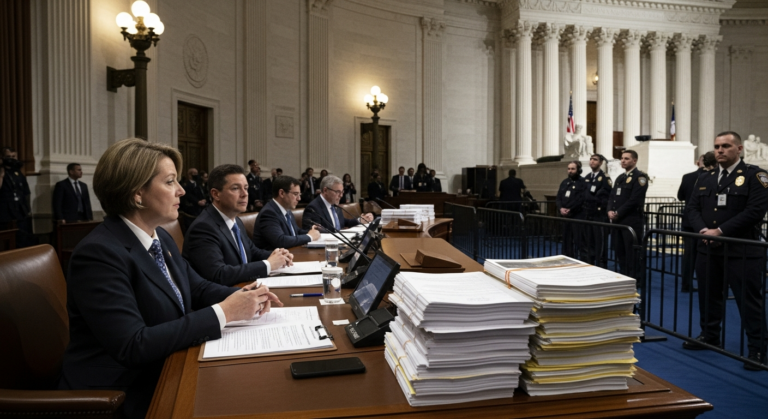
The Supreme Court has increasingly utilized its emergency docket, often referred to as the ‘shadow docket,’ to issue significant rulings on matters of executive power and election administration. These orders, typically issued without full briefing, oral arguments, or detailed explanations, have become a prominent feature of the Court’s work, shaping national policy and legal landscapes with immediate effect.
Recent legal analyses highlight the Court’s frequent use of these expedited orders in cases that challenge the authority of the executive branch and disputes over election procedures. Unlike decisions reached through the Court’s regular merits docket, which involve extensive deliberation and often result in lengthy opinions, shadow docket orders are designed for urgent situations, such as requests to halt a lower court ruling or to allow a contested policy to take effect while litigation continues.
One primary area where the shadow docket has seen considerable activity is in cases involving executive power. These disputes often center on the scope of federal agencies’ regulatory authority or the President’s ability to implement policies. For instance, an emergency order might temporarily block a new federal environmental regulation, allow a contested immigration policy to proceed, or pause a directive impacting public health. Such decisions, even if provisional, can have far-reaching practical consequences, influencing how federal programs are administered and how various sectors, from industry to healthcare, operate nationwide.
Another critical domain affected by the Supreme Court’s emergency orders is election rules. As elections approach, challenges to voting procedures, ballot access, or voter registration often arise. The Court’s swift intervention through the shadow docket can determine whether specific election laws are enforced or suspended, potentially altering the mechanics of how citizens cast their ballots. These decisions can be particularly impactful when issued close to an election, leaving state and local election officials with limited time to adapt to new legal requirements or reversals.
Critics of the expanded use of the shadow docket argue that it allows the Court to make substantive policy decisions with less transparency and public scrutiny than the traditional merits process. Proponents, however, contend that it is a necessary tool for managing an increasing volume of urgent requests, especially when lower court decisions threaten to cause irreparable harm or create significant legal uncertainty.
Regardless of the ongoing debate, the trend underscores a shift in how the Supreme Court exercises its authority, making immediate impacts on governmental operations and legal interpretations. These federal rulings, while originating in Washington, D.C., inevitably create a ripple effect across the country, influencing the legal and administrative frameworks that govern state and local entities.
### Why it matters in Greenville
The Supreme Court’s emergency orders, particularly those concerning executive power and election rules, have tangible implications for Greenville. While these are federal cases, their outcomes can directly influence the operational environment for institutions like Greenville County Government and major employers such as Prisma Health and BMW Manufacturing Co. Changes in federal regulatory policy, for example, could necessitate adjustments in local compliance, resource allocation, or strategic planning. Similarly, federal rulings on election procedures can affect how the Greenville County Election Commission prepares for and administers local, state, and federal elections, impacting everything from voter registration processes to ballot design. The legal landscape shaped by these expedited decisions requires constant vigilance from local officials and organizations in Greenville to ensure adherence to evolving federal mandates and to anticipate potential shifts in governance.