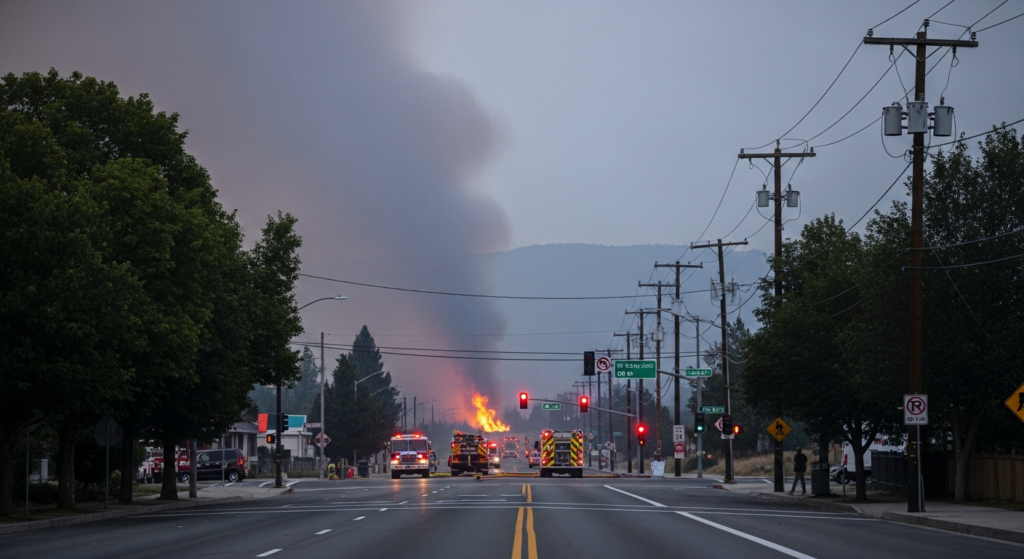
Wildfires raging across southern Spain have claimed the lives of 12 people, according to multiple accessible reports from emergency response agencies. The deadly blazes have prompted a large-scale emergency operation, with crews working to contain the fast-moving fires and manage ongoing evacuations.
The situation in southern Spain remains critical, with authorities emphasizing the continued relevance of evacuation orders and general heat-risk awareness for residents in affected areas. The reports describe a rapidly evolving and dangerous fire situation that has necessitated a robust and coordinated response from national and regional emergency services.
While the immediate impact of these fires is concentrated thousands of miles away, the incident underscores the global challenges posed by extreme weather events. News of such large-scale disasters often resonates with communities worldwide, including in Greenville, where local officials and residents are accustomed to monitoring various forms of natural phenomena.
Emergency response coverage from Spain has focused on the tragic loss of life and the extensive efforts to protect communities and property. The reports have maintained a factual tone, avoiding graphic or speculative details, consistent with responsible reporting on incidents involving death and injury.
The fires continue to be a focal point for international news, highlighting the intense conditions faced by emergency personnel and the communities they serve. The scale of the response reflects the severity of the threat posed by the uncontrolled blazes across the region.
### Why it matters in Greenville
The deadly wildfires in southern Spain, while geographically distant, highlight the increasing global prevalence of extreme weather events. For Greenville, a city that experiences its own intense summer heat, such international incidents serve as a reminder of the broader challenges facing communities worldwide. The Greenville County Government, for instance, continuously monitors weather patterns and maintains emergency protocols to ensure public safety during periods of high temperatures or other natural hazards. Understanding the scope of global emergencies can inform local preparedness efforts, even when the direct threat is thousands of miles away.