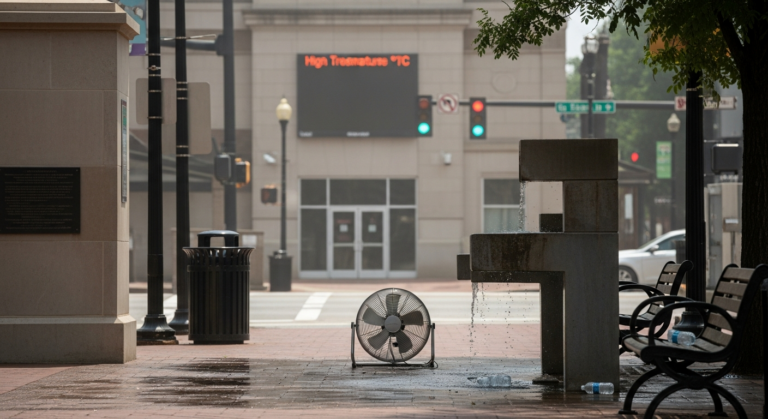
Extreme heat events, characterized by a series of days significantly hotter than average for a given period, pose a greater mortality risk than any other weather phenomenon, a danger exacerbated by ongoing climate shifts. These periods of intense heat are becoming more frequent, more severe, and longer-lasting, necessitating robust public safety guidance.
Central to managing extreme heat is maintaining adequate hydration. An average person requires approximately three-quarters of a gallon of water daily, though individual needs can fluctuate based on activity levels and physiological factors. Experts advise against consuming sugary, caffeinated, or alcoholic beverages, as these can contribute to dehydration. When engaging in activities that cause heavy sweating, combining water intake with electrolyte-rich snacks or a sports drink is recommended to replace lost salts and minerals.
Preparedness for extreme heat extends to emergency supplies. Households are advised to assemble both a Go-Kit and a Stay-at-Home Kit. A Go-Kit should contain at least three days of portable supplies, suitable for evacuation. A Stay-at-Home Kit, conversely, should stock at least two weeks’ worth of provisions for sheltering in place. Essential items for these kits include a minimum of one gallon of drinking water per person per day, non-perishable food, necessary medications, sunscreen, wide-brimmed hats, backup batteries and device chargers for electronic devices, and a one-month supply of prescription medication stored in a child-proof container, along with any required medical supplies or equipment.
Reliance solely on electric fans for cooling is insufficient when temperatures reach the high 90s. Spending several hours each day in an air-conditioned environment is a critical strategy to mitigate heat-related stress. For individuals without access to air conditioning or in the event of a power outage, identifying public cooling locations is paramount. Facilities such as public libraries, shopping malls, or designated public cooling centers, often managed by local government or non-profits, can provide essential relief. In Greenville, the Greenville County Library System branches, for instance, can serve as accessible, air-conditioned havens during peak heat.
During periods of extreme heat, specific actions can significantly reduce risk. These include consistently drinking plenty of fluids, replacing salt and minerals through appropriate snacks or sports drinks, and remaining in air-conditioned spaces as much as possible. Wearing lightweight, loose-fitting clothing and taking cool showers or baths can also help regulate body temperature. Limiting outdoor activity, particularly during the hottest parts of the day, is crucial. For any necessary outdoor work, scheduling it for earlier or later in the day, when temperatures are lower, is a recommended precaution.
Certain populations face a greater risk from extreme heat. This includes older adults, infants, young children, and pregnant women. Individuals with pre-existing medical conditions are also particularly vulnerable. Outdoor workers, who are often exposed to direct sunlight and strenuous activity, face elevated risks. Furthermore, people with limited personal resources or those residing in areas lacking green spaces, which can exacerbate the urban heat island effect, are disproportionately affected.
Understanding the signs and appropriate responses to heat-related illnesses is vital. Heat cramps, characterized by heavy sweating accompanied by muscle pain or spasms, should be treated by moving to a cool place and drinking water or a sports drink.
Heat exhaustion presents with more severe symptoms, including heavy sweating, cold, pale, and clammy skin, a fast and weak pulse, nausea or vomiting, muscle cramps, tiredness or weakness, dizziness, headache, or even passing out. Treatment involves moving the affected individual to a cool location, loosening their clothing, and offering slow sips of water. Medical attention is necessary if vomiting occurs, symptoms persist for longer than one hour or worsen, or if confusion develops.
Heat stroke is a medical emergency and can be deadly, requiring immediate professional intervention. Warning signs include a body temperature of 104°F or higher, hot, red, dry or damp skin, a fast, strong pulse, headache, dizziness, nausea, confusion, or passing out. In such cases, 911 must be called immediately. While awaiting emergency medical services, move the person to a cool place and begin cooling their body with wet cloths, misting, fanning, or a cool bath. Crucially, do not give the person anything to drink.
Why it matters in Greenville
The increasing frequency and intensity of extreme heat events directly impact public health and safety across Greenville. Institutions like Prisma Health are on the front lines, managing heat-related emergencies and providing critical care to those affected. Greenville County Government plays a vital role in disseminating public health information and coordinating resources, including potentially establishing cooling centers at facilities such as the Greenville County Library System branches. The guidance on preparedness and response is particularly relevant for outdoor workers employed by local businesses and construction firms, as well as for vulnerable populations residing in neighborhoods with less tree cover or limited access to air conditioning. Adherence to these safety protocols can significantly reduce the strain on local emergency services and safeguard the well-being of the community during the summer months.