The United States and Iran have reached an initial agreement, a development stemming from several days of war-related diplomacy. The accord, signed following extensive engagement, establishes a framework that outlines potential steps toward a cease-fire, adjustments in the oil market, and the commencement of follow-on negotiations.
The terms of the framework include a 60-day period dedicated to substantive negotiations. It also incorporates language concerning maritime security, specifically referencing the critical Strait of Hormuz. Additionally, the agreement touches upon sanctions-related implementation measures, though these remain contingent upon future verification processes. The specifics of these verification steps and their timelines are not yet publicly detailed.
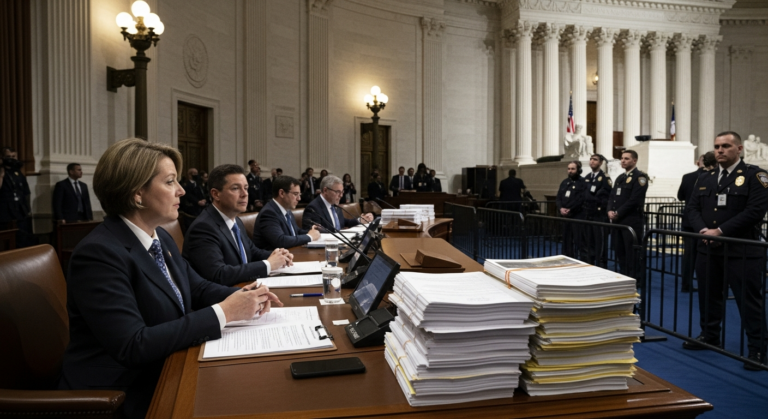
This agreement emerged in the wake of significant diplomatic efforts, including meetings among leaders of the Group of Seven (G7) nations and direct diplomatic outreach from the White House. The context of these high-level discussions underscores the political and national-security dimensions of the accord, positioning it as more than a routine international update.
The G7, a forum of major industrialized economies, has been a key backdrop for discussions aimed at de-escalating regional tensions and stabilizing global markets. The participation and coordination among G7 members provided a diplomatic platform that facilitated the eventual agreement between the U.S. and Iran. The precise nature of the G7’s involvement, whether through direct mediation or coordinated diplomatic pressure, is not fully elaborated in the initial reports but is understood to be a significant factor.
White House officials have characterized the agreement as a crucial first step, emphasizing the conditional nature of its implementation. The emphasis on a 60-day negotiation period suggests a structured approach to addressing the complex issues at hand. This period is intended to allow both parties to engage in detailed discussions on the terms of a potential permanent cease-fire and other related matters.
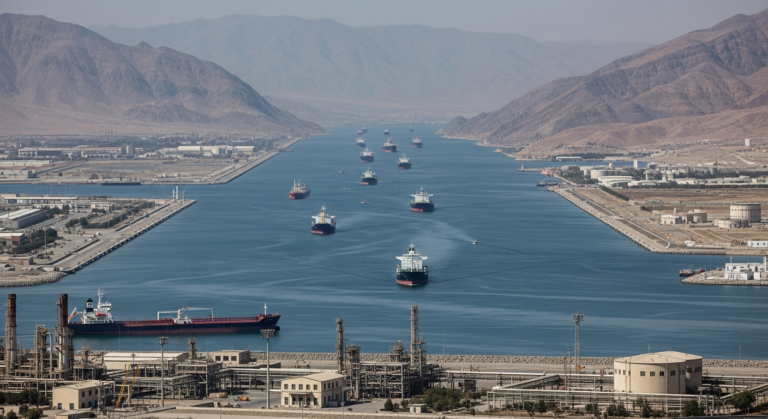
The maritime security component, particularly its linkage to the Strait of Hormuz, highlights the strategic importance of this waterway. Disruptions to shipping in this region have significant implications for global energy supplies and international trade. The inclusion of specific language on this issue indicates a shared interest in maintaining stability in this vital chokepoint.
Sanctions relief, a perennial point of contention in U.S.-Iran relations, is also addressed within the framework. However, the agreement stipulates that these implementation steps are subject to verification. This cautious approach reflects the deep-seated mistrust and the need for concrete evidence of compliance before any significant sanctions are altered. The details of the verification mechanisms are expected to be a focal point of the upcoming negotiations.
Editors have been advised to treat the implementation details of this agreement as conditional. Official follow-up documents or notices from relevant government agencies will be necessary to confirm specific timelines and the definitive nature of the agreed-upon steps. This approach acknowledges the preliminary status of the accord and the potential for adjustments as negotiations progress.
The agreement represents a delicate balance of diplomatic achievement and ongoing challenges. While it provides a pathway for de-escalation, the success of the cease-fire and subsequent negotiations will depend on the willingness of both the United States and Iran to engage constructively and adhere to the agreed-upon framework. The international community, particularly the G7 nations, will likely continue to monitor developments closely, offering support for the peace process while maintaining vigilance regarding compliance and verification.