Anglers in the Greenville area face a fundamental decision when planning a fishing trip: will they cast from the bank, paddle out in a kayak, or navigate by boat? Each method offers distinct advantages and challenges, influencing everything from cost and convenience to the types of fish that can be pursued.
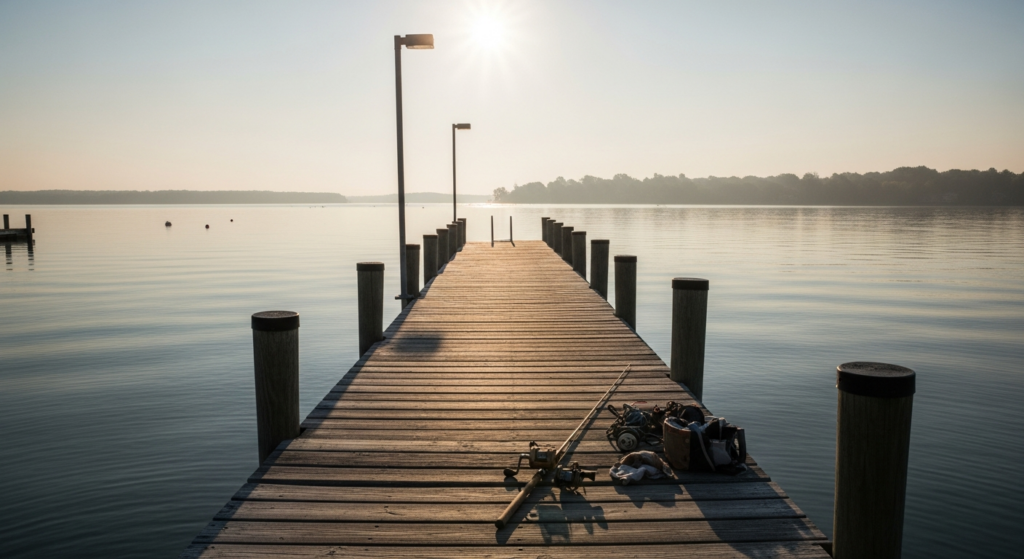
The most accessible entry point for many is bank fishing. This approach often requires the lowest financial investment, primarily involving the cost of a fishing license and basic tackle. However, successful bank fishing demands careful scouting. Anglers must identify suitable access points along the Saluda River, Reedy River, or Enoree River, ensuring they have adequate casting lanes and a clear view of potential fishing spots. The limitations of bank fishing often involve restricted range and the inability to reach deeper water or cover that might hold larger fish. Success from the bank hinges on understanding the local topography and the habits of fish that frequent shallower areas.
Kayaks offer a significant step up in mobility and reach for Greenville anglers. A fishing kayak can transport an angler to spots inaccessible from the shore, providing access to the wider expanses of lakes like Lake Hartwell or Lake Keowee, or allowing them to cover more water on rivers. This increased range, however, comes with its own set of considerations. Kayak fishing necessitates planning for flotation devices, ensuring visibility to boat traffic, and accounting for wind, which can significantly impact maneuverability on open water. The cost of a kayak and associated gear, while less than a motorized boat, represents a more substantial investment than bank fishing equipment.
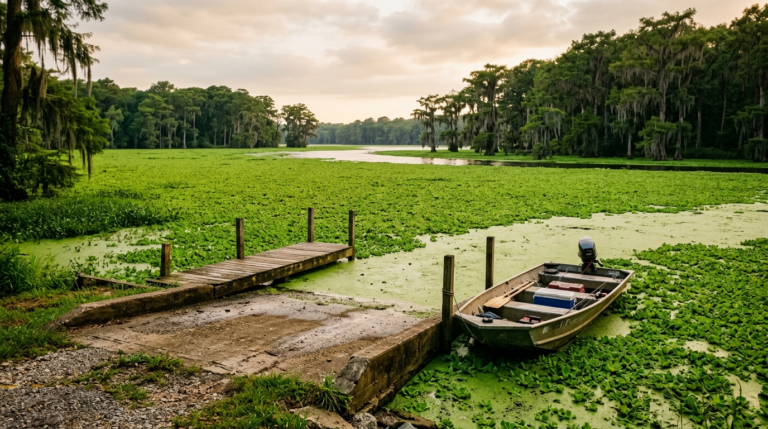
For those seeking the greatest range and the ability to cover vast areas of water, boat fishing remains the traditional choice. Trips on larger bodies of water such as Lake Jocassee or Lake Greenwood are often best undertaken by boat, allowing anglers to explore diverse habitats and target a wider array of species. However, boat fishing introduces a greater level of complexity. Costs escalate with fuel consumption, boat trailer registration, insurance, and the need for access to boat ramps. Safety protocols become paramount, requiring knowledge of navigation, emergency procedures, and the proper maintenance of safety equipment. The planning for a boat trip is often more involved, encompassing weather forecasts, water conditions, and the logistical challenges of launching and retrieving the vessel.
Ultimately, the optimal fishing plan for an individual in Greenville is a personalized equation. It requires a realistic assessment of one’s budget, available time, physical mobility, and the specific species they hope to catch. Whether casting a line from the familiar comfort of the riverbank, gliding silently across a lake in a kayak, or venturing out on a boat, each method offers a unique way to engage with the rich fishing opportunities available in the Upstate.