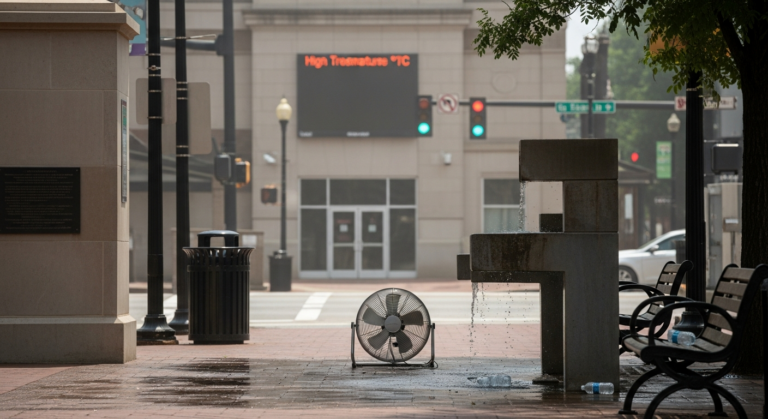
Central and eastern Europe are contending with an extreme heat wave, prompting emergency responses and significant travel disruptions. Several European capitals are bracing for temperatures approaching 38 degrees Celsius (100.4 degrees Fahrenheit) as the continent experiences a severe summer heat event.
Italy and other parts of Europe have implemented emergency measures to cope with the soaring temperatures. These responses include disruptions to public services and heightened public health concerns. The extreme weather is impacting daily life, outdoor work, and travel plans for many.
Authorities are advising caution for residents and travelers. The widespread heat is expected to strain infrastructure and emergency services. Public health officials are urging individuals to take precautions against heat-related illnesses, such as dehydration and heatstroke, particularly for vulnerable populations. This includes staying hydrated, seeking cool environments, and limiting strenuous outdoor activities during peak heat hours.
The travel sector is experiencing notable effects. Flight schedules may face delays or cancellations due to operational challenges posed by the extreme heat. Rail services are also subject to potential disruptions, with authorities monitoring track conditions and implementing speed restrictions where necessary to prevent damage. Road travel may also be affected by heat-related infrastructure issues and increased demand for cooling.
This heat wave underscores the growing challenges posed by extreme weather events in Europe. The consistent pattern of rising global temperatures is leading to more frequent and intense heat waves, requiring ongoing adaptation and preparedness measures. The current situation highlights the need for robust public health strategies and resilient infrastructure to manage the impacts of such climatic events.
As the heat wave continues, officials are monitoring the situation closely and providing updated guidance. The focus remains on ensuring public safety and minimizing the impact on essential services and travel. The long-term implications of such events are also being considered, as they influence urban planning, public health policy, and disaster preparedness frameworks across the region.
This event serves as a stark reminder of the pervasive effects of climate change on daily life and global systems. The coordinated response across multiple European nations reflects the scale of the challenge, with a shared emphasis on public well-being and the continuity of essential services amidst unprecedented thermal conditions. The coming days will be critical in assessing the full extent of the disruptions and the effectiveness of the implemented emergency measures. The situation in Europe is being closely watched by international bodies and climate scientists as an indicator of future climatic trends and their societal impacts.