A timely assessment from national home and weather authorities indicates that July heat waves pose significant challenges for outdoor plant life, prompting a review of best practices for garden maintenance in Greenville. With the summer season firmly established, local gardeners are preparing for conditions that can stress even resilient flora.
Protecting garden beds, containers, and patios during periods of intense heat involves several key strategies, according to guidance compiled by Good Housekeeping and AccuWeather. These methods focus on mitigating the effects of high temperatures and maintaining plant health.
One primary recommendation is to water plants deeply and efficiently. Rather than frequent, shallow watering, which can encourage surface root growth and rapid evaporation, a thorough soaking allows water to penetrate deeper into the soil. This encourages roots to grow downwards, accessing more consistent moisture reserves. Watering in the early morning is often most effective, as it minimizes water loss to evaporation before the day’s heat peaks and allows plants to absorb moisture before temperatures climb.
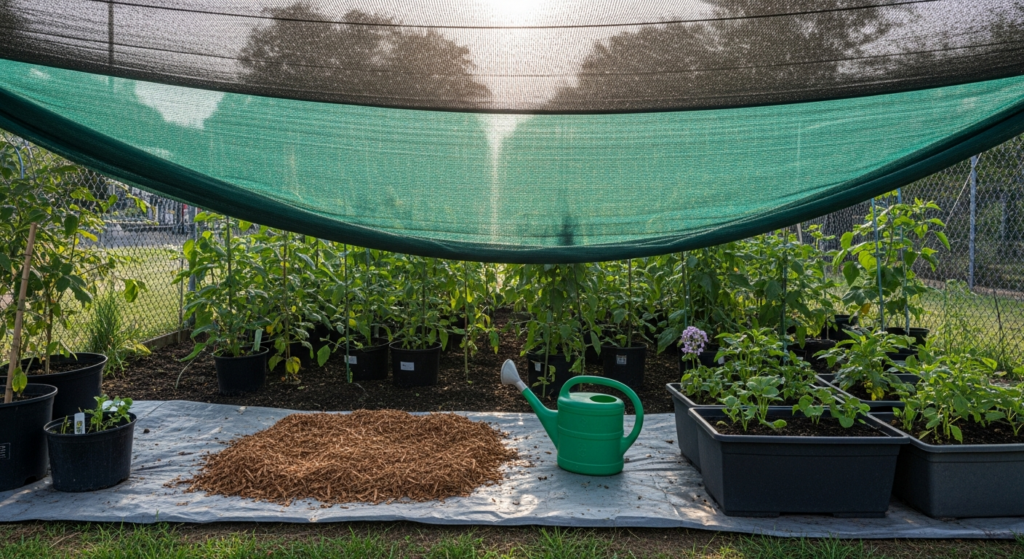
Shade and mulching are also critical components of heat protection. For garden beds, a layer of organic mulch, such as wood chips, straw, or compost, can significantly reduce soil temperature and retain moisture. Mulch acts as an insulating barrier, preventing rapid evaporation from the soil surface and suppressing weed growth, which competes for water. For more delicate plants or those in direct, intense sunlight, temporary shade structures, like shade cloth or movable screens, can provide crucial relief during the hottest parts of the day.
Container plants, often more vulnerable to heat stress due to their limited soil volume, require particular attention. Their soil can heat up quickly, and moisture evaporates at an accelerated rate. Moving containers to shadier locations, such as under a porch, a large tree, or an awning, can make a substantial difference. If relocation is not feasible, grouping containers together can create a microclimate that reduces individual plant stress, and ensuring they are adequately mulched can also help.
Finally, avoiding midday outdoor work is a practical measure for both plants and gardeners. Pruning, planting, or heavy weeding during the hottest hours can add additional stress to plants already struggling with heat. It also minimizes the risk of heat-related illness for individuals working outdoors. Scheduling garden tasks for the cooler parts of the day, typically early morning or late evening, allows plants to recover more effectively and ensures a safer environment for maintenance.
These strategies are particularly relevant in Greenville, where the summer months often bring extended periods of high temperatures and humidity. Maintaining healthy landscapes contributes to the aesthetic appeal of neighborhoods like Augusta Road Historic District and North Main, and supports the overall environmental well-being of the city.
### Why it matters in Greenville
The health of Greenville’s green spaces, from private gardens to public landscapes, contributes significantly to the city’s character and quality of life. As summer heat intensifies, the practices of deep watering, strategic mulching, and providing shade become essential for preserving the vibrancy of residential areas and commercial properties alike. The collective effort to protect plant life helps mitigate the urban heat island effect and supports local biodiversity. For institutions like Greenville Technical College, which often features extensive landscaping, these maintenance strategies are vital for sustaining campus aesthetics and providing a pleasant environment for students and staff throughout the warmer months. These measures ultimately help maintain Greenville’s reputation as a green and attractive community.