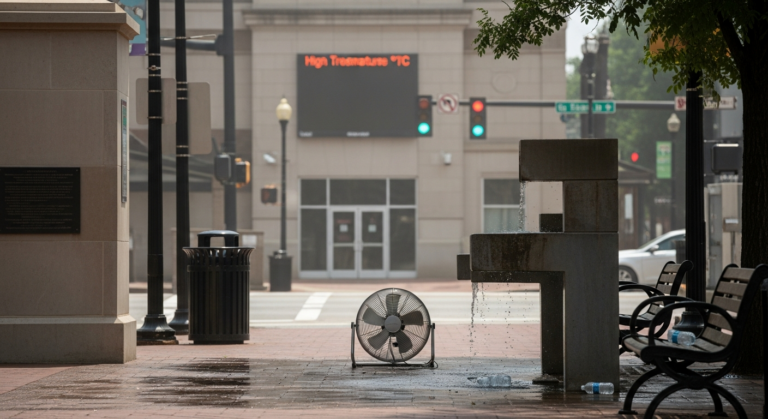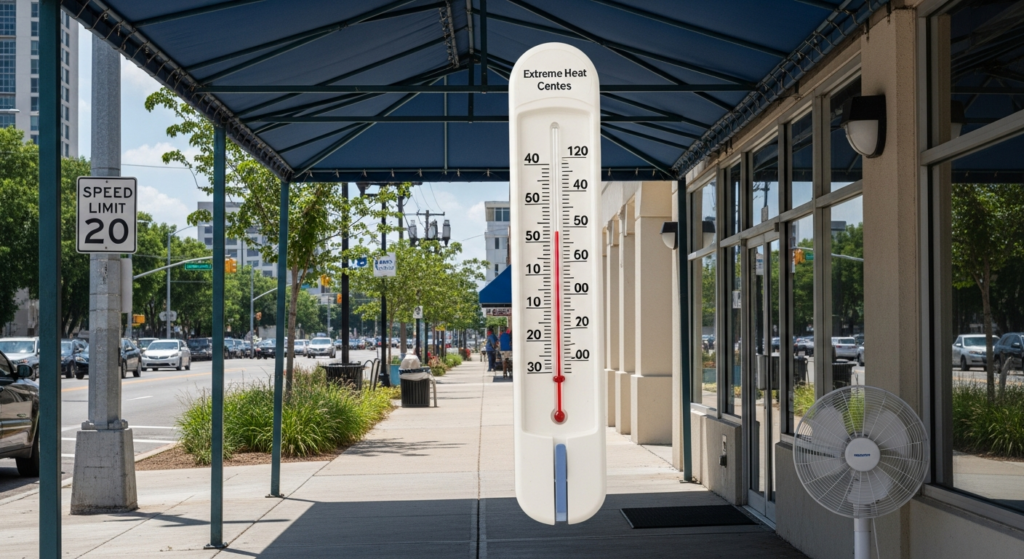
An expansive heat wave has settled over a significant portion of the United States, bringing with it conditions that public health officials describe as dangerous, particularly as the nation heads into the July Fourth holiday weekend. More than 160 million people across the central and eastern U.S. are currently under extreme heat warnings or advisories, with real-feel temperatures projected to reach between 100 and 115 degrees.
In Greenville, residents are bracing for the impact of these conditions, which are expected to elevate health risks and alter plans for outdoor activities. The timing of the heat wave, coinciding with one of the most celebrated holidays of the summer, presents a unique challenge for public safety and community planning.
Local healthcare providers, including Prisma Health and Bon Secours St. Francis, are preparing for a potential increase in heat-related illnesses such as heat exhaustion and heatstroke. Emergency services across Greenville County are also on alert, anticipating higher call volumes related to the extreme temperatures. Officials advise residents to stay hydrated by drinking plenty of water, avoid strenuous outdoor activities during the hottest parts of the day, and seek shade or air-conditioned environments.
The intense heat also poses challenges for Greenville’s major employers, particularly those with significant outdoor or industrial operations. Companies like BMW Manufacturing Co., GE Vernova Gas Power, and Michelin North America often implement adjusted work schedules and increased hydration protocols to protect their workforce during periods of extreme heat. Greenville County Government, responsible for various public services, also navigates these conditions to ensure the safety of its employees and the continuity of essential operations.
For many in Greenville, the July Fourth holiday typically involves outdoor gatherings, picnics, and recreational activities around local natural amenities. The Saluda River, Reedy River, Lake Hartwell, and Lake Keowee are popular destinations, but the extreme heat necessitates caution. Public safety experts recommend limiting prolonged exposure to direct sunlight, even when near water, and being aware of the signs of heat stress. While cooling off in the water can be tempting, the overall heat can still lead to dehydration and other heat-related issues.
Neighborhoods across Greenville, from Alta Vista to North Main and Hollingsworth Park, are also feeling the effects. Residents, especially the elderly, young children, and those with pre-existing health conditions, are particularly vulnerable. Access to reliable air conditioning becomes crucial, and the increased demand for electricity can strain the power grid. Community members are often encouraged to check on neighbors who may be at higher risk.
Educational institutions such as Furman University and Greenville Technical College, which may have summer programs or students residing on campus, are also mindful of the heat. Campus facilities are typically equipped to provide cooler environments, but awareness and proactive measures remain important for student and staff well-being.
The overarching message from public safety and health authorities is one of vigilance and preparation. While the July Fourth celebrations are a cornerstone of the summer, prioritizing health and safety in the face of this historic heat wave is paramount. The conditions serve as a stark reminder of the serious health risks associated with prolonged exposure to extreme temperatures.
### Why it matters in Greenville
The historic heat wave affecting a large swath of the United States carries significant implications for Greenville, directly impacting public health, local commerce, and holiday traditions. The strain on healthcare infrastructure, particularly at institutions like Prisma Health, could be considerable as emergency rooms prepare for an influx of heat-related cases. Businesses with outdoor workforces, such as BMW Manufacturing Co. and Michelin North America, must adapt operations to protect employees, potentially affecting productivity. Furthermore, the heat wave forces a re-evaluation of how residents celebrate the July Fourth holiday, shifting focus from prolonged outdoor activities to safer, cooler alternatives, thereby influencing local event planning and recreational patterns across the city.