A period of intense heat identified for July is prompting homeowners in Greenville to implement protective measures for their outdoor plants and green spaces. The guidance, compiled from national meteorological and home care experts, focuses on practical steps to mitigate the impact of prolonged high temperatures on various garden elements.
One primary recommendation involves adjusting watering practices. Instead of frequent, shallow applications, experts advise watering deeply and less often. This method encourages plant roots to grow further down into the soil, accessing moisture reserves that are less susceptible to rapid evaporation from surface heat. Deep watering, typically performed in the early morning or late evening, allows the water to penetrate effectively before the day’s peak temperatures accelerate evaporation, ensuring plants receive sustained hydration.
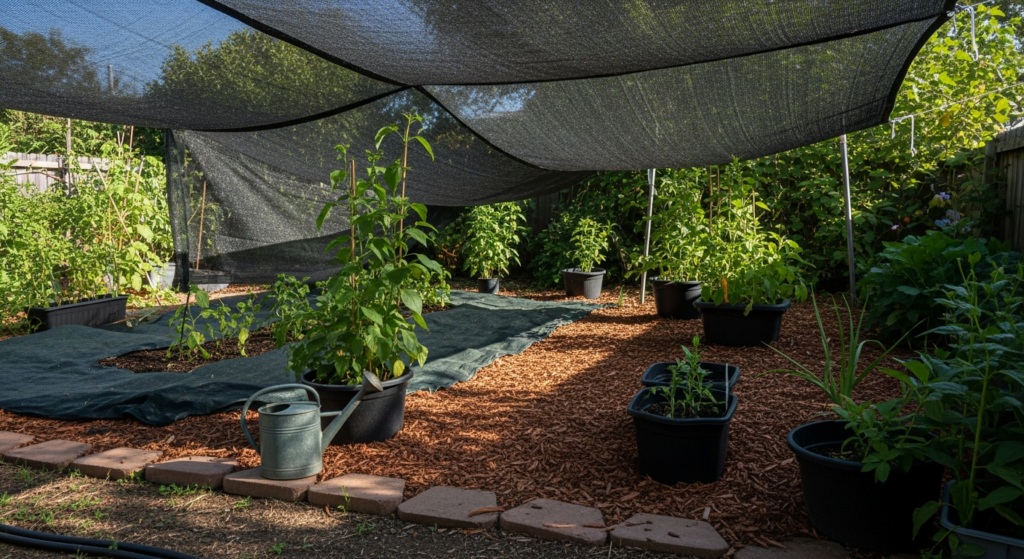
Strategic use of shade and mulch is another critical component of heat protection. Mulching garden beds with organic materials such as wood chips, straw, or compost helps to insulate the soil, reducing temperature fluctuations and retaining essential moisture. A layer of mulch can significantly lower soil surface temperatures, protecting delicate root systems from scorching heat. For plants particularly vulnerable to direct sun, temporary shade structures, such as shade cloths or even strategically placed patio umbrellas, can offer crucial relief during the hottest parts of the day. This is especially relevant for newer plantings or species known to be less heat-tolerant in the Greenville climate.
Container gardens, popular on patios and balconies across Greenville, offer flexibility in heat management. The ability to move potted plants allows residents to relocate them to shadier spots as temperatures climb. Grouping containers together can also create a microclimate that offers some mutual shading and reduces moisture loss. For stationary or larger containers, insulating the pots themselves with burlap or other materials can help prevent the soil from overheating, which can damage roots.
Finally, avoiding outdoor gardening work during the midday hours is advised for both plant and personal well-being. The most intense sun and highest temperatures typically occur between 10 a.m. and 4 p.m. Performing tasks like pruning, planting, or even extensive watering during this window can stress plants further and expose gardeners to heat-related health risks. Shifting these activities to the cooler parts of the morning or evening minimizes stress on plants and ensures a safer environment for those tending to their gardens.
### Why it matters in Greenville
The effective management of gardens and outdoor spaces during periods of extreme heat directly impacts the aesthetic and environmental quality of Greenville. Homeowners in established neighborhoods like Alta Vista and North Main, known for their mature trees and well-maintained landscapes, often invest considerable effort in their gardens. Protecting these green assets helps preserve property values and the overall beauty of the city. Furthermore, the health of urban green spaces, including those managed by Greenville County Government in public parks and along the Reedy River, contributes to air quality and provides crucial habitats. Implementing these protective measures ensures that Greenville’s vibrant outdoor environment remains resilient against the challenges posed by summer heat, benefiting both individual residents and the broader community’s ecological well-being.