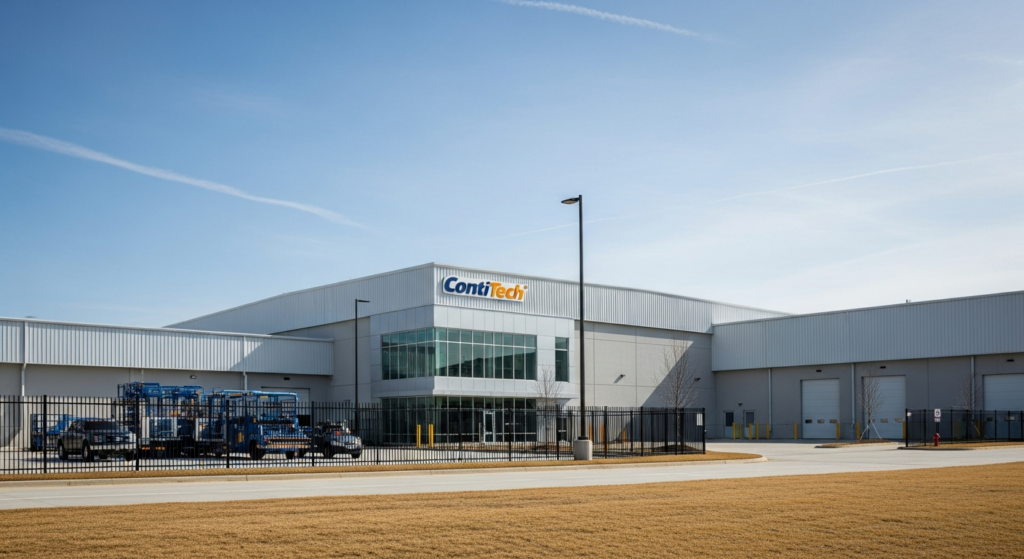
Continental, a major global automotive supplier, has reached an agreement to divest its ContiTech plastics and rubber business to Lone Star Funds, a private equity firm. The transaction is valued at approximately 4 billion euros, with the potential for additional performance-based components.
The deal involves the sale of a significant division that specializes in various industrial and automotive applications, including conveyor belts, hoses, and vibration control technology. Continental has indicated that it expects cash proceeds from the sale, which could potentially be used for a special dividend.
ContiTech’s operations span a wide array of products essential to numerous industries, from automotive manufacturing to construction and mining. Its sale to Lone Star Funds represents a strategic realignment for Continental, allowing the company to focus on its core automotive technologies and electronics businesses.
Lone Star Funds, known for its investments in various sectors, including manufacturing and industrials, will acquire a business with a global footprint. The acquisition by a private equity firm often signals a period of operational optimization and potential strategic shifts for the acquired entity.
This transaction, while global in scope, resonates with the economic landscape of Greenville. The city and its surrounding Upstate region are a critical hub for automotive manufacturing and related supply chain operations. Major employers like BMW Manufacturing Co. and Michelin North America anchor a robust ecosystem that relies on a complex network of suppliers for components, materials, and specialized technologies, including those in plastics and rubber.
### Why it matters in Greenville
The sale of ContiTech, a substantial plastics and rubber business from a major automotive supplier like Continental, offers a lens through which to view the evolving global manufacturing and supply chain landscape. For Greenville, a city with a significant presence of automotive and advanced manufacturing, including operations such as BMW Manufacturing Co., such large-scale corporate restructuring can indicate broader industry trends. These trends might include shifts in investment priorities, technological advancements in materials, or changes in supplier relationships. While there is no direct ContiTech facility in Greenville, the health and strategic direction of major global suppliers directly influence the stability and future growth opportunities for the region’s manufacturing base. The transaction underscores the dynamic nature of the industries that form the backbone of Greenville’s economy.