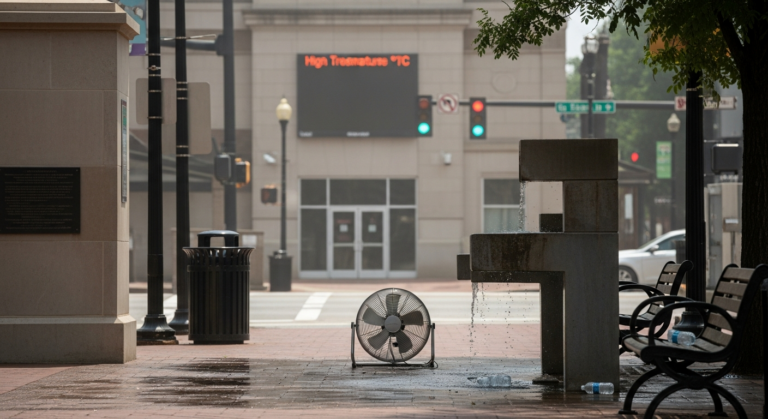
As summer continues in Greenville, comprehensive safety guidance has been issued to help residents prepare for and respond to extreme heat events, which are defined as prolonged periods of unusually high temperatures. These events, characterized by days significantly hotter than average for the season, are increasingly frequent, severe, and longer-lasting, a trend linked to the broader climate crisis. Extreme heat is identified as the deadliest weather phenomenon, surpassing other natural disasters in its mortality rate.
The guidance emphasizes robust hydration as a cornerstone of heat safety. An average individual requires approximately three-quarters of a gallon of water daily to maintain proper bodily function. For emergency preparedness, households should stock at least one gallon of drinking water per person per day. Crucially, the recommendations advise against consuming sugary, caffeinated, or alcoholic beverages, as these can exacerbate dehydration. For individuals engaged in activities that lead to heavy sweating, replacing lost salt and minerals through appropriate snacks or sports drinks is recommended to prevent electrolyte imbalances.
Emergency preparedness extends beyond hydration, with specific recommendations for essential supplies. A ‘Go-Kit’ is advised, containing at least three days’ worth of portable necessities for evacuation. For situations requiring sheltering in place, a ‘Stay-at-Home Kit’ should be assembled with at least two weeks of supplies. Medical considerations are also paramount: a one-month supply of any necessary prescription medications, stored securely in child-proof containers, along with any required medical supplies or equipment, should be readily available. Backup batteries and chargers for electronic devices are also critical. Furthermore, practical items such as sunscreen and wide-brimmed hats are listed as essential for outdoor protection.
Effective cooling strategies are central to mitigating heat risks. The guidance suggests spending several hours each day in an air-conditioned environment. It specifically cautions against relying solely on electric fans when ambient temperatures reach the high 90s Fahrenheit, as fans primarily circulate hot air rather than cooling it effectively in such conditions. When home air conditioning is unavailable or insufficient, public facilities such as libraries, shopping malls, or designated cooling centers can provide critical relief. Wearing lightweight, loose-fitting clothing is also recommended to facilitate air circulation and evaporative cooling. For those whose work or leisure activities require outdoor exposure, limiting activity during peak heat hours or rescheduling strenuous tasks for earlier or later in the day is a key preventative measure.
Certain populations face a significantly elevated risk of heat illness. This includes older adults, whose bodies may regulate temperature less efficiently; infants, young children, and pregnant women, who are particularly vulnerable to physiological stress from heat; and individuals with pre-existing medical conditions that can be complicated by high temperatures. Outdoor workers, who are directly exposed to the elements for extended periods, are also at heightened risk. Moreover, people with limited personal resources, who may lack access to air conditioning or adequate hydration, and those living in urban areas with fewer green spaces and more heat-absorbing surfaces, face disproportionate challenges during extreme heat events.
Recognizing the symptoms of heat-related illnesses is vital for timely intervention. Heat cramps, the mildest form, manifest as heavy sweating accompanied by muscle pain or spasms. Heat exhaustion presents with more severe symptoms, including heavy sweating, cold, pale, and clammy skin, a fast but weak pulse, nausea or vomiting, cramps, general weakness, dizziness, headache, or even passing out. The most severe condition, heat stroke, is a medical emergency characterized by a body temperature of 104°F or higher. Other signs of heat stroke include hot, red, dry or damp skin, a fast and strong pulse, headache, dizziness, nausea, confusion, or loss of consciousness.
Immediate action is crucial for suspected heat stroke. The guidance unequivocally states to call 911 without delay. While awaiting emergency medical services, the affected person should be moved to a cooler location. Efforts to cool the body should begin immediately, using methods such as wet cloths, misting with water, fanning, or a cool bath. It is critical not to give the person anything to drink. For those experiencing emotional distress following an extreme heat event, the Disaster Distress Helpline, available at 1-800-985-5990, offers free calls or texts for support.
Why it matters in Greenville
Greenville, with its growing population and active outdoor lifestyle, is directly impacted by the need for robust extreme heat preparedness. Major employers like Prisma Health and Bon Secours St. Francis often see increased patient volumes during heatwaves, underscoring the public health implications. The city’s numerous parks and recreational areas, including those along the Reedy River, are popular destinations, making it essential for residents to understand the risks of outdoor activity during the summer months. Furthermore, local educational institutions such as Furman University and Greenville Technical College host summer programs and activities, requiring vigilance in protecting students and staff. Adherence to these safety guidelines can significantly reduce the burden on emergency services and healthcare providers, ensuring the well-being of the entire Greenville community. The guidance provides a clear framework for individual and collective safety, particularly for vulnerable populations within the city’s diverse neighborhoods like Alta Vista and North Main, who may have varying access to cooling resources. This proactive approach helps safeguard public health and maintain the vibrancy of daily life in Greenville during periods of elevated temperatures.