The global technology landscape is experiencing a significant shift as the burgeoning field of artificial intelligence increasingly demands high-performance memory and storage components. This escalating need for specialized chips, essential for training and running complex AI models, is creating a ripple effect across the broader electronics industry, with potential implications for consumer device pricing.
Industry analysts and technology outlets have noted a direct connection between the robust demand for AI infrastructure and a tightening supply of crucial memory and storage components. AI systems, particularly those involved in machine learning and data processing, require vast quantities of high-bandwidth memory (HBM) and advanced storage solutions to handle their intensive computational workloads. This demand is not only for data centers and enterprise-level AI deployments but also for the development of AI capabilities integrated into various software and services.
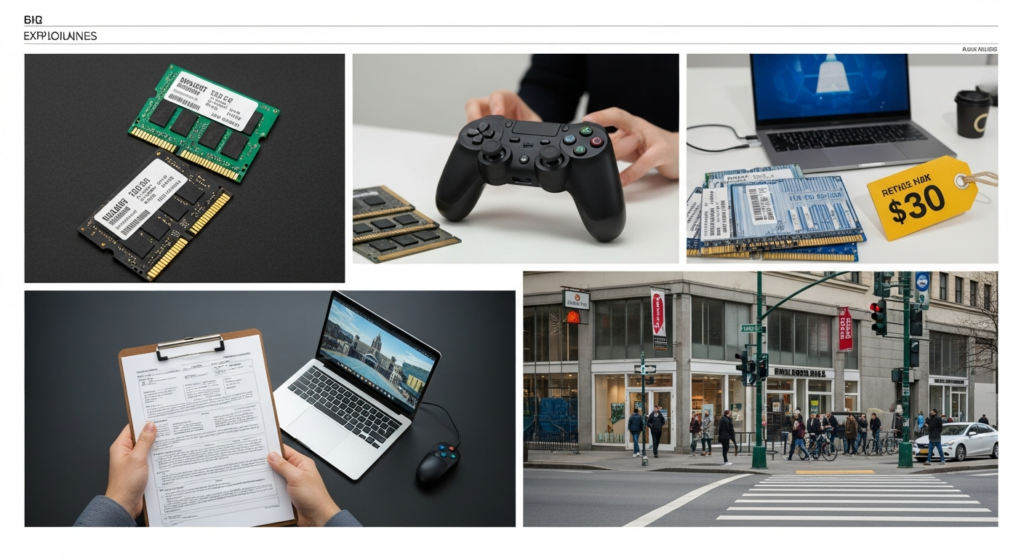
As manufacturers prioritize the production of these high-margin, specialized components for the AI sector, the supply of more common memory and storage chips used in everyday consumer devices is becoming constrained. This dynamic is beginning to exert upward price pressure on a range of products, including new smartphones, personal computers, and gaming consoles. The competition for manufacturing capacity and raw materials means that components that might otherwise be allocated to consumer electronics are being diverted to meet the insatiable appetite of the AI industry.
For consumers in Greenville and beyond, this trend suggests that purchasing new electronics in the coming months and years may involve higher costs. While specific price increases are difficult to predict and can vary by product category and manufacturer, the underlying market forces indicate a general upward trajectory. The impact is not limited to just the most cutting-edge devices; even mid-range and budget-friendly options could see price adjustments as the cost of core components rises.
Technology and business publications have consistently highlighted this emerging challenge, describing how component supply issues, exacerbated by AI demand, are contributing to price pressures across the computing and device markets. This situation reflects a broader economic principle where increased demand for a critical resource in one sector can elevate costs across all sectors reliant on that resource.
### Why it matters in Greenville
The rising cost of consumer electronics due to AI memory demand has tangible implications for households and institutions across Greenville. Families planning to upgrade smartphones, purchase new laptops for school, or invest in gaming consoles may find their budgets stretched further. Local businesses, from small startups to larger employers like Prisma Health and Greenville County Schools, rely heavily on a steady supply of affordable computing devices for their daily operations, administrative tasks, and educational initiatives. Price increases could impact procurement budgets or force longer refresh cycles for equipment. Furthermore, educational institutions such as Greenville Technical College, which equip students with modern technology, could face increased costs in maintaining their labs and providing necessary tools for learning, potentially affecting program accessibility and operational expenses. The global shift in component allocation underscores how international technological trends directly influence local purchasing power and operational costs within the Greenville community.