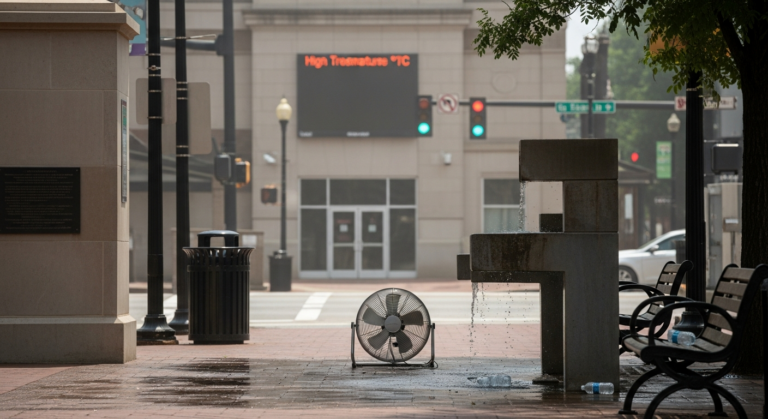
With 294 individuals dying nationwide from weather-related excessive heat in 2023, health officials in Greenville are emphasizing the critical importance of understanding and preventing heat-related illnesses as the summer season progresses. The ongoing high temperatures underscore the need for awareness regarding the risks posed by prolonged heat exposure, which can lead to severe health complications, including heat exhaustion, heat stroke, and in extreme cases, death.
Understanding the distinct symptoms and appropriate responses for heat exhaustion and heat stroke is paramount. Heat exhaustion, a less severe but still serious condition, results from excessive loss of water and salt through sweating. Individuals experiencing heat exhaustion may exhibit pale, ashen, or moist skin; muscle cramps; fatigue, weakness, or exhaustion; headache, dizziness, or fainting; nausea or vomiting; and a rapid heart rate. Initial treatment for heat exhaustion involves moving the affected person to a shaded or air-conditioned environment, providing water or other cool nonalcoholic beverages, and applying wet towels or facilitating a cool shower to help lower body temperature. Prompt action can prevent the condition from escalating.
Heat stroke represents a medical emergency requiring immediate professional help. This life-threatening condition occurs when the body’s temperature regulation system fails. Symptoms of heat stroke can include a body temperature above 103 degrees Fahrenheit, flushed dry hot skin (though sweating may have stopped), rapid breathing, headache, dizziness, confusion or other altered mental status, irrational or belligerent behavior, convulsions, or unresponsiveness. For suspected heat stroke, it is imperative to call 911 immediately. While awaiting emergency services, move the person to a cool place, remove any unnecessary clothing, and begin cooling them without delay. The most effective method is immersing the person up to the neck in cold water with a second rescuer, if possible, or using a cold shower or cold wet towels. Continue cooling until the body temperature reaches 101 degrees Fahrenheit. During this process, monitor breathing and be prepared to provide CPR if necessary. It is crucial to avoid forcing liquids, applying rubbing alcohol, or administering pain relievers or salt tablets, as these can worsen the condition.
Certain populations are identified as especially vulnerable to heat-related illnesses. These include outdoor workers, who face direct and prolonged exposure to high temperatures; infants and young children, particularly if left in hot cars, where temperatures can rise rapidly to dangerous levels; people age 65 and older, whose bodies may regulate temperature less efficiently; individuals who are ill, have chronic health conditions, or take certain medications that can impair thermoregulation; and people who are overweight. Awareness of these heightened risks allows for targeted preventative measures and increased vigilance for those most susceptible.
Workplace precautions are critical, especially for those engaged in physically demanding jobs during the summer months. Recommended measures for employers and employees include implementing shorter shifts to allow workers to acclimate to the heat gradually, ensuring access to and encouraging the consumption of fluids before thirst develops, and establishing systems for monitoring coworkers for signs of heat exhaustion or heat stroke. Regular breaks for rest and cooling down in a shaded or air-conditioned area are also vital. It is important to note that indoor heat stress can also occur in environments near ovens or furnaces, or in workspaces without adequate climate controls. Resources such as the Heat Stress mobile app are available to help assess job-related risks and guide preventative actions.
General prevention measures are available for all residents to mitigate the risks of heat-related illness. These include utilizing air conditioning at home or seeking out public cooling centers; consistently drinking fluids, even when not feeling thirsty, and avoiding alcohol, which can contribute to dehydration. Wearing loose, lightweight clothing, a wide-brimmed hat, and sunscreen can also help protect against heat and sun exposure. Replacing salt lost through sweating with fruit juice or sports drinks is advisable. To minimize exposure during the hottest part of the day, it is recommended to avoid strenuous outdoor activity between 11 a.m. and 3 p.m. Pacing physical exertion and taking frequent breaks are also effective strategies. Finally, checking on elderly, house-bound, or otherwise vulnerable neighbors, and assisting them in reaching cooling centers or arranging other cooling support, represents a vital community effort to ensure everyone’s safety during periods of extreme heat in Greenville.
Why it matters in Greenville
The persistent summer heat in Greenville poses a tangible public health challenge, directly impacting the well-being of its residents and the operational demands on local institutions. Prisma Health, a major employer and healthcare provider in the region, experiences increased strain on its emergency departments during prolonged heat waves as individuals seek treatment for heat exhaustion and heat stroke. The recommendations for prevention and immediate care are not merely general guidelines but critical directives that can alleviate pressure on these vital services and, more importantly, save lives within the community. Ensuring that all Greenville residents, especially vulnerable populations and outdoor workers, are informed and prepared is essential for maintaining public health and safety throughout the summer months. The collective adherence to these precautions directly contributes to the resilience and health of the entire Greenville area. It is a shared responsibility to understand and act on these warnings to protect the community’s health infrastructure and its people.