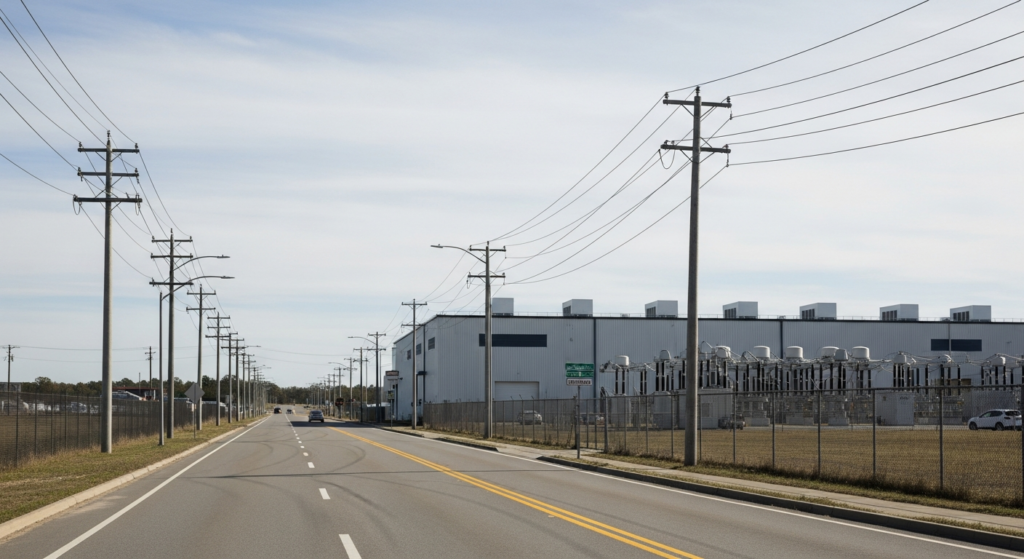
Opponents of the rapid expansion of data centers across the United States staged coordinated protests in at least 125 locations during the July 18 weekend, marking what has been described as the first national effort focused on the backlash against artificial intelligence infrastructure.
The demonstrations spanned the country, with Texas reporting the highest number of planned protests at 16. Georgia followed with 11, while California, Florida, and Pennsylvania each saw seven coordinated actions. The widespread protests underscored growing public apprehension regarding the proliferation of large-scale data facilities.
Central to the protestors’ concerns were issues of transparency in development, the escalating electricity costs associated with powering these energy-intensive operations, and the significant water usage required for cooling. Environmental pollution and the perceived lack of adequate local approval processes for data center construction also featured prominently in the grievances voiced by participants.
The national movement reflects a broader public sentiment, as indicated by a recent public opinion poll. The survey found that only 14 percent of respondents supported the construction of an AI data center within their own community, suggesting a considerable disconnect between industry expansion plans and local acceptance.
The protests come as demand for AI computing power continues to surge, driving the need for more data centers. These facilities, which house vast arrays of servers and networking equipment, are critical for processing the immense datasets and complex algorithms that underpin artificial intelligence technologies. However, their physical footprint and operational demands are increasingly drawing scrutiny from communities concerned about their environmental and economic impacts.
In Greenville, a city experiencing its own growth and development, the national discourse around data centers could inform future planning and public discussions. While no specific large-scale AI data center proposals have been publicly debated within Greenville, the principles raised by these national protests — particularly concerning resource allocation and community input — are relevant to any significant infrastructure project.
Why it matters in Greenville
Greenville, as a hub for manufacturing and technology in the Upstate region, is not immune to the broader trends shaping national infrastructure development. Major employers like BMW Manufacturing Co. and GE Vernova Gas Power, which are significant energy consumers, operate within a regional power grid that could face increased strain from new, large-scale data center developments. Discussions around local approval processes and environmental considerations, such as water usage from the Saluda River or Reedy River, could shape future infrastructure decisions and public discourse in Greenville, influencing how the city balances technological growth with community concerns. The national conversation serves as a precedent for how local governments and residents in Greenville might approach similar proposals should they arise.
Section: More Greenville SC business news
Greenville business profiles
Filed under: Greenville SC Business News