Greenville residents have a newly updated resource for navigating the complexities of severe weather preparation, with a comprehensive guide detailing steps to protect homes and families. Originally published on October 14, 2025, the document received a significant update on May 27, 2026, reflecting current best practices for storm readiness.
The guide emphasizes a phased approach to preparedness, distinguishing between long-term maintenance, pre-storm activation, and immediate actions. It recommends that basic preparations begin two to three months before the typical storm season, establishing a foundation of resilience. As a specific storm threat emerges, a more focused protection plan should be activated three to five days before the forecasted arrival. The final, critical actions are advised to be completed within the 24 hours leading up to the storm’s impact.
Exterior home preparation forms a significant component of the guide’s recommendations. Homeowners are advised to thoroughly inspect their roofs for any signs of damage, such as loose or missing shingles, which could become critical vulnerabilities during high winds or heavy rainfall. Cleaning gutters and downspouts is also highlighted as essential, ensuring that water can flow freely away from the home. Furthermore, the guide specifies directing downspout water a minimum of five to ten feet away from the foundation to prevent water accumulation and potential structural damage. Trimming tree branches that are within ten feet of the home or power lines is another crucial step, mitigating the risk of falling limbs causing damage or power outages. All loose outdoor items, from patio furniture to decorative elements, should be secured or brought indoors. Finally, a thorough check of windows and doors for proper sealing and locking mechanisms is recommended to prevent water intrusion and reinforce the building envelope.
Beyond the immediate exterior, the guide delves into foundational and interior water management strategies. It advises homeowners to ensure that the soil around their property is graded to slope at least six inches over ten feet away from the foundation. This natural gradient helps to channel rainwater away from the home, reducing hydrostatic pressure on basement walls. For properties equipped with sump pumps, regular testing is paramount to confirm their operational readiness before a storm. Identifying vulnerable entry points, such as basement windows or ground-level doors, allows for proactive reinforcement. Additionally, checking basement and garage floor drains ensures they are clear of debris and functioning correctly to handle any unexpected water intrusion.
Assembling an emergency supply kit is presented as a non-negotiable step for personal safety. The guide recommends preparing enough supplies to last for at least 72 hours. This includes stocking one gallon of water per person per day, a sufficient quantity of non-perishable food, and essential items such as flashlights and extra batteries. A well-stocked first-aid kit, along with any necessary prescription medications, should be readily accessible. Communication and power are also addressed, with recommendations for a battery-powered or hand-crank radio, fully charged phone chargers, and a supply of cash, as electronic payment systems may be disrupted. For households with pets, specific pet supplies, including food, water, and any necessary medications, must also be included.
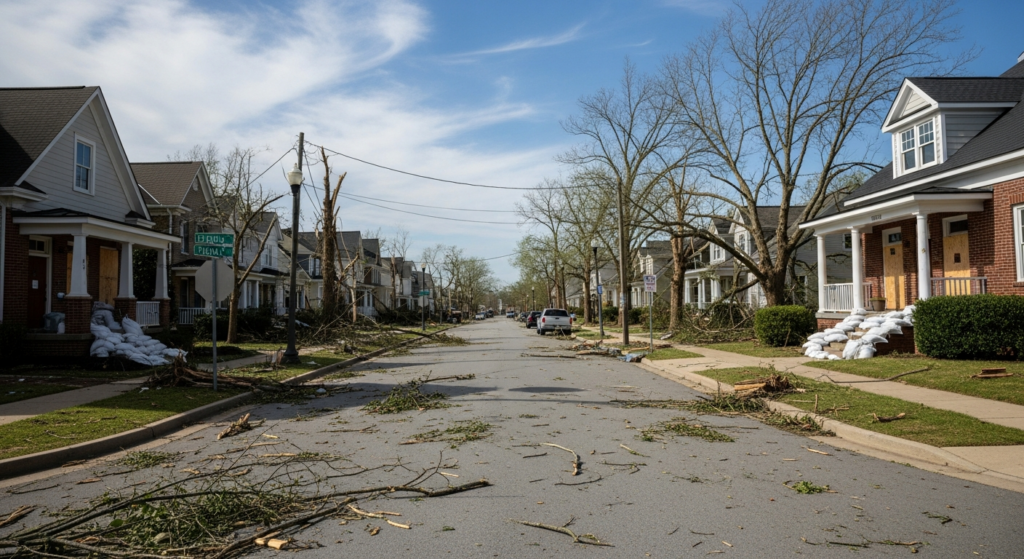
When a storm is specifically forecast for the Greenville area, the guide outlines a series of immediate actions. All outdoor items that could become projectiles in high winds, such as grills, trash cans, and garden tools, should be brought inside. Installing storm shutters or securely boarding up windows with plywood is advised to protect against flying debris. For homes in flood-prone areas, placing sandbags around vulnerable entry points can help divert water. Filling bathtubs and other large containers with water ensures a backup supply for sanitation purposes if potable water becomes unavailable. Charging all electronic devices, including phones, laptops, and power banks, is critical for maintaining communication. Vehicle fuel tanks should be filled to capacity, providing transportation readiness and a potential power source if needed. Valuables and important documents should be moved to higher floors to protect them from potential flooding. Finally, documenting the home’s condition with photographs or video before the storm’s arrival can be invaluable for insurance claims after the event.
The guide also clarifies situations where professional assistance is not just advisable but warranted. Significant roof damage, for instance, often requires expert repair to ensure structural integrity. Dangerous or diseased trees, especially those near the home or power lines, should be assessed and removed by certified arborists. Persistent foundation or water-seepage problems indicate underlying issues that require professional diagnosis and repair. Sump pump installation or replacement, electrical hazards, visible mold growth, and any signs of structural damage are all serious concerns that necessitate immediate attention from qualified specialists. Furthermore, gas leaks, downed power lines, active water intrusion, and sewage backups are emergencies that demand professional intervention for safety and proper remediation.
Why it matters in Greenville
Greenville’s position in the Upstate region means it is susceptible to various severe weather phenomena, from summer thunderstorms with high winds to the remnants of tropical systems that move inland. Proactive storm preparation, as outlined in this updated guide, is not merely a matter of individual home protection; it has broader implications for the community’s resilience. When residents are well-prepared, it reduces the strain on emergency services and infrastructure managed by entities like Greenville County Government. Fewer calls for downed trees, flooded basements, or minor structural damage allow first responders and public works crews to focus on critical incidents and widespread recovery efforts. This collective preparedness helps ensure that essential services, including those provided by major employers like Prisma Health, can continue to operate effectively, minimizing disruption to the daily lives and well-being of the city’s population. Investing in these preparations now can mitigate significant costs and hardships for families and the city as a whole when severe weather strikes.